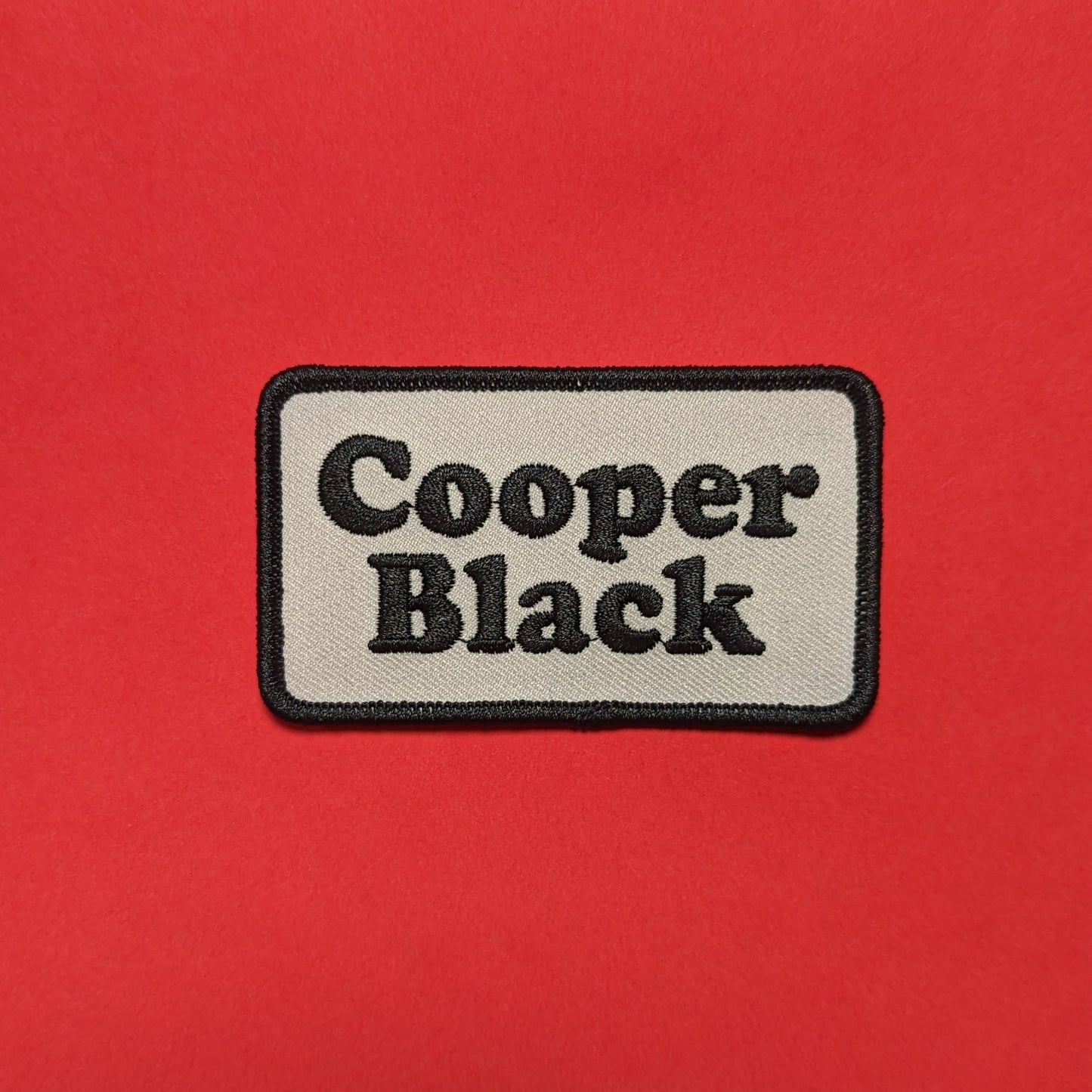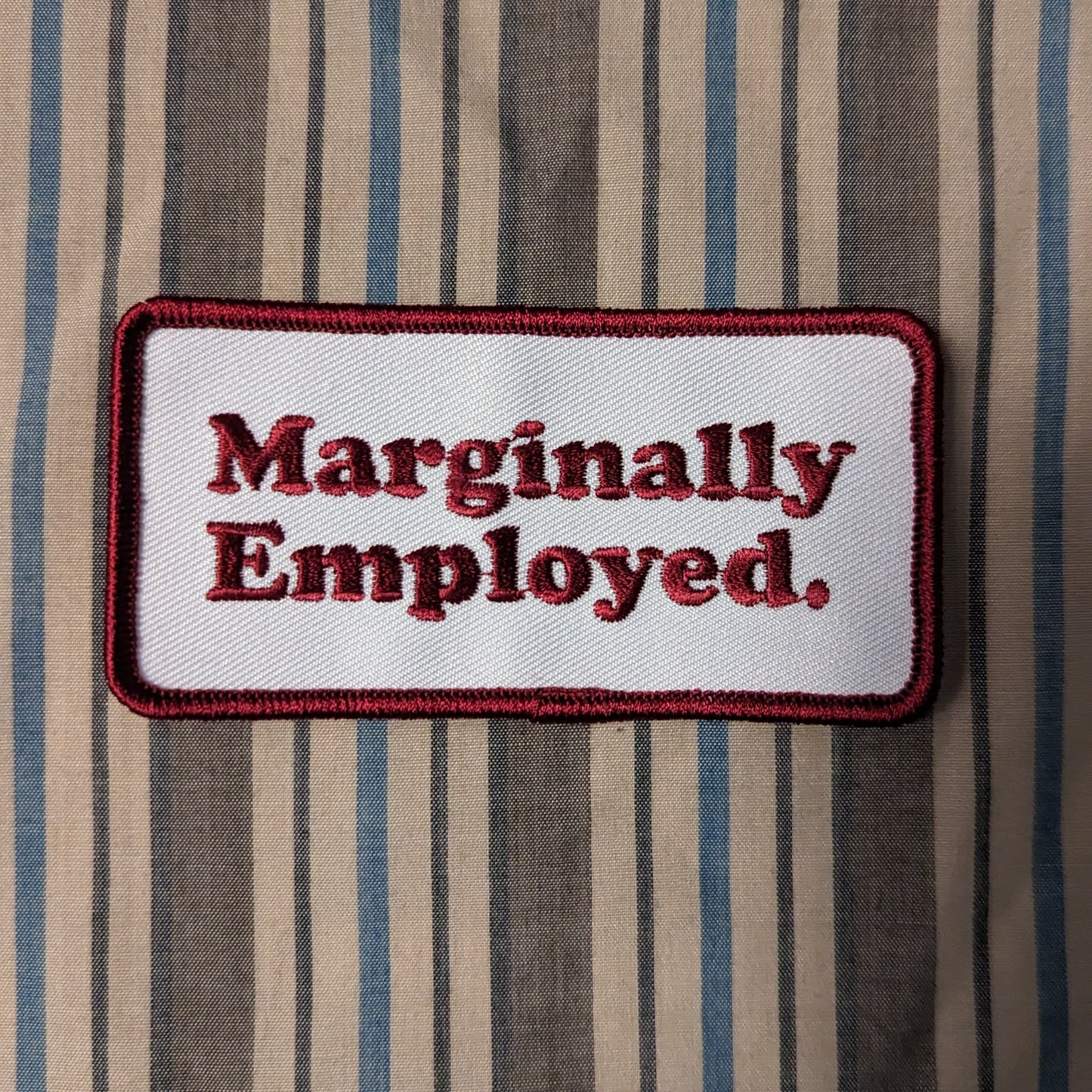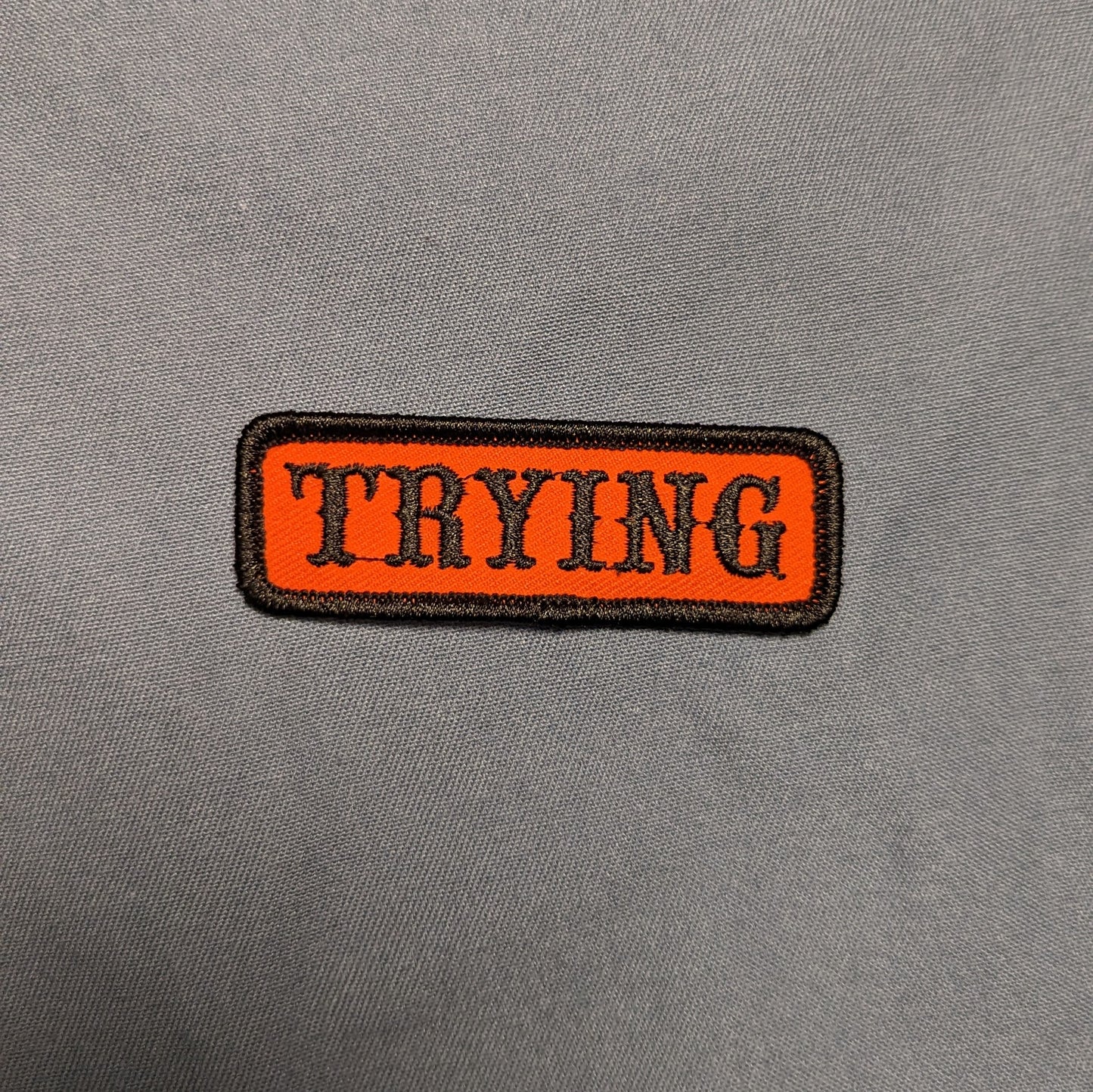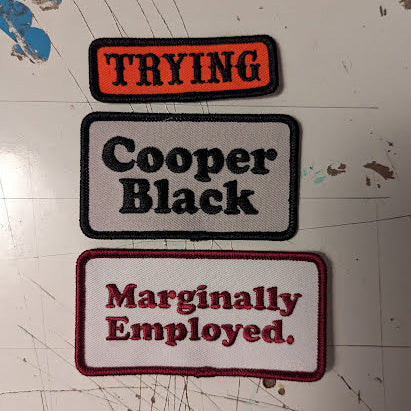
A Patch Three Pack
$20
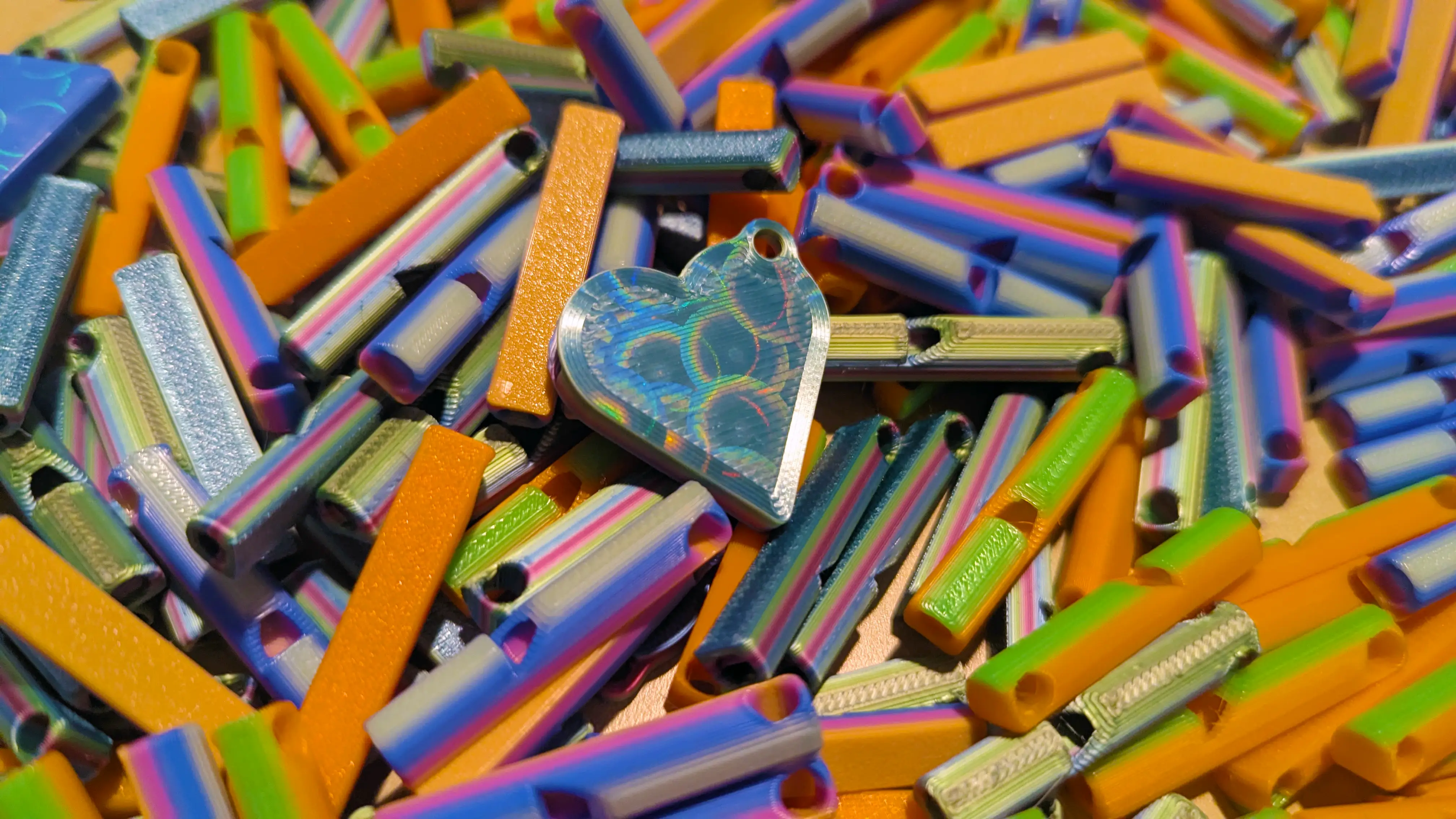
This is about 300 tiny Penne whistle printed in three colorful batches, plus a heart.
Last November, as the federal occupation of Chicago was winding down and the occupation of Minneapolis had not yet begun, I wrote a piece called "Whistle Up," about the strategic use of whistles by anti-ICE observers and organizers that included advice on how to procure whistles for your own community. This post serves as a sequel and update, written three months later.
You've heard the whistles by now. Either because you're living in a place where they've become necessary or because you've seen video, endless video, of the streets of Minneapolis and the people who are out there blowing whistles to alert their neighbors of the presence of ICE and Border Patrol. The enduring sound of right now is the shrill wail of a chorus of whistles.
Inevitably when you talk about whistles on social media someone thinks they are hilarious in offering up the observation that if you really wanted to annoy these goons, you should use a vuvuzela, the plastic horn favored by South African soccer fans. But whistles aren't an annoyance system, they are an alert system. They are an alert system built entirely at street-level and massively deployed to serve two purposes: bring your neighbors out to witness the abuses of ICE and to let those that are more at risk to know to stay in or to find shelter immediately.
There's a simple code system that goes along with the whistles: short staccato bursts if ICE is seen in the area and long blows if they're actively snatching someone (though, honestly, in my experience you just blow like hell). It is a remarkably simple and effective system. Talk to anyone on the ground and they will tell that it has saved people, every single day. I have seen it work repeatedly.
The more whistles out there—the more whistles in people's hands, on their person, at all times—the more effective this system is, and so getting whistles to people has become a massive community effort. Across the country there are whistle packing parties happening in church basements and bars and nonprofit offices and pretty much anywhere else that can hold some people, some tables, and boxes of whistles, zines, and bags to put them all in.
When I wrote "Whistle Up" last fall, I spent a lot of time writing about strategies for procuring whistles in bulk, a process that became more challenging the longer the occupation of Chicago continued, because everyone was trying to do it and the limited number of mostly-Chinese manufacturers had not planned for a sudden and massive run on their supply. What began in early October as being able to get whistles for about 10-15 cents a piece, was up to 30-50 cents per whistle by the time I stopped looking in late November. Over the course of the fall, I paid out hundreds of dollars to put a thousand or so whistles out onto the streets. It was crucial, but it was slow and unpredictable (I'm still occasionally getting a random box of 20 whistles I ordered off Ali Express six months ago) and it wasn't an expense I could shoulder forever.
By late fall, there were a few people in Chicago who had moved from sourcing whistles to manufacturing them themselves with a 3d printer. When I talked with one of them who explained that they were making whistles a few dozen at a time and they were paying cents for materials for them I was intrigued.
A month later I bought a printer. It cost less than what I'd shelled out for whistles.
Yesterday I printed my 10,000th whistle.
I wasn't alone in doing it.
When I set up my printer, I reached out to some of those same Chicago printers to get some advice on what whistle they liked and how they approached the process. They answered by inviting me to join what, at the time, was around a dozen people spread out across the country who were printing whistles. They had printed and shipped close to 100,000 whistles. That was in early January.
Now, today, February 8th, earlier this morning in a cluttered garage or a cold basement or a too-full craft room, one of nearly 200 people bagged up the half-millionth whistle to be printed and shipped by this loose-knit group of printers that I call the Whistle Goblins, but which has no formal name (though some use the Whistle Avengers), no real hierarchical structure, no form, no funding, and no remit beyond printing whistles, at scale, as quickly as possible.
A half million whistles (since mid-December!) is an extraordinary amount made all the more so by the fact that it's been done by the most ragtag group of people you've ever seen—romance authors and nerdy engineers and crusty old punks and internet weirdos and every other type of person imaginable—singularly focused on one goal: whistles.
It's all so chaotic and loosely organized as to feel like it might fly off the rails at any moment, but impossibly, it hasn't (thanks in large part to the efforts of a small group of core members). It all runs on a handful of chats that fill with messages so quickly that I think most people put them on mute immediately. It's all jokes and troubleshooting and moments of real human earnestness shared between folks who don't even know each others actual names for the most part. There's a spreadsheet of whistle requests and anyone grabs whatever they can, fills them within a couple days, and moves to the next request on the list. At this point the Whistle Goblins have filled requests from all 50 states and Puerto Rico, with tens of thousands heading to hotspots like Minneapolis and St. Paul. You can request them too and we will send you whistles, a hundred to thousands at a time.
For me, I know I can reliably produce 400-500 whistles a day, so I'll stack a few smaller requests together and get them out the door along with all my usual mailorder shipping. Some people operate small farms of printers and are able to churn out a few thousand a day and those go out to folks living in hotspots that request thousands of whistles at a time. Other folks produce far less, 50, 100 whistles in a day. It doesn't matter: every whistle printed is a whistle on the street (these are all shipped for free thanks to donations from folks like you).
People in the group choose to print whatever whistle they want, some focusing on fun colors and bigger whistles, others (like me) focus on whatever is the most efficient and fast to print. Everyone does what they want in this chaotic horde of whistle goblins. The key is that the requests get filled and the whistles go out the door ("if it blows, it goes" has become a mantra among the group).
The whistles go out the door.
Watching the group expand, watching the number of whistles shipped grow from a couple thousand a day to what has been a solid 25,000 every day this week (in fact of the half-million shipped since mid-December, 40% were printed in the first week of February), has been truly inspiring. It's been a source of hope for me and I think for many in the group at a time where hope feels hard to come by.
Probably the question that gets lobbed and me and others that talk about this work the most is "Why not just bulk buy a half million whistles," and that's certainly an option if you want to deal with the import and storage of 500,000 whistles, then deal with breaking them up and shipping them out to thousands of individual requests across the country. Sure, you'll have to pay an huge upfront cost, it will probably take a few months to get your shipment on a container and through customs, and in that time ICE will have run roughshod across many communities, and your per-piece cost will likely be higher than what we're getting from coils of plastic in our basements every day, but absolutely be my guest. There can always be more whistles out there, so go for it.
If that doesn't sound appealing but the idea of maybe making whistles of your own does, then great, let's go (if you'd rather just buy some whistles in reasonable numbers, my previous whistle post deals with all that).
First, I should say the particular group of goblins that I print with isn't onboarding new members right now because bringing new people in is a very labor-intensive process, not to mention how groups get more unwieldy the larger they get. But that's not stopping you from printing today and getting whistles into the hands of folks in your community who need them. So how to do it?
First, you need a printer. Maybe you already have one, or maybe your local library lets you sign up for time, or maybe you have a pal that has one that's got some idle cycles. I am not advocating you buy a 3d printer just for whistle production (though that's precisely what I did), but if it's a piece of technology that you've been considering, they're surprisingly inexpensive (as low as about $200 for a mini), relatively easy to use (though it's a piece of moving hardware that melts plastic so there are plenty of finicky ways it can require maintenance), and can make dozens to hundreds of whistles in a matter of hours. Personally, I bought a Bambu Labs machine and I know lots of people that use them. But there are many choices.
Next, you need a whistle to print. The crew I print with maintains a list called "Good Whistles" on Makerworld that range from stress-tested designs that print reliably at scale to novelty ones in fun shapes. While everyone prints whatever they want, anecdotally it feels like there are two whistles that get printed the most: The Micro-Bitonal and the Penne. Both are tiny so you can fit a lot on a plate at once, they use a small amount of plastic filament per whistle (the Penne, which I print, uses about 1 gram), and you can churn out lots in a few hours.
On my machine (a Bambu Labs P1S), I can produce 100 Pennes in about four hours. Because I am not right in the head, I do that all day, every day. I wake up at 2 or 3am most nights to change a plate (I could fit closer to 200 on a plate for a longer print time, but my experience has been that it's less reliable and reliability is what's most important to me, plus I'd rather not have to count anything, so doing batches of 100 is helpful). Bigger, fancier whistles take longer, but also they are bigger and fancier so that's nice. Print what you like in the amounts that make sense.
Now you've got whistles, what's next? The key element to surviving all this is to talk to people, and that's key here too. Find out who in your community needs whistles. There are likely groups already near you that are packing whistle kits, doing rapid response, actively organizing (here's a good list of rapid response networks across the country). Or, maybe there aren't, and then that's your next task: talk with friends, get them whistles. They will tell their friends and then you will become The Whistle Person very rapidly (spoken from experience: last fall after distributing whistles for a few weeks I had a neighbor ring my bell and ask for 50 whistles for her church group).
For more ideas and advice, a few folks maintain a good wiki with even more ideas of how to become your own goblin.
Right now is very hard. It's not going to get easier anytime soon. Pulling together as communities is all we've got. Today, a half-million more whistles exist than did before because of one community of absolute weirdos decided to just start printing and never stopped. Those whistles have gone out to people who have then reached out to their own communities to get them into others' hands. This is how it works, always, one community strengthens another, one after another, and on and on until real change happens.
Published February 8, 2026. |
Have new posts sent directly to your email by subscribing to the newsletter version of this blog. No charge, no spam, just good times.
Or you can always subscribe via RSS or follow me on Mastodon or Bluesky where new posts are automatically posted.
Foundational Texts: Raised by the Channel Five News Team
The third installment in the monthly Foundational Texts series looks at the iconic 1980s Channel 5 News Team, and the things they taught me when I was young and now that I am old.
Posted on Mar 31, 2026
Porous Barriers That Divide Then From Now
I came to Muncie, Indiana this week for this moment: March 24th, the night that George Dale's life changed forever. Even 104 years later, the reverberations of history stay close.
Posted on Mar 24, 2026
Record for tomorrow the stories that today's victors would prefer we forget
The second installment in the monthly Foundational Texts series looks at the message I took from The Goonies when I was ten and is still just as relevant today.
Posted on Mar 15, 2026